
The Maidens of the East
( words)
From the Maidens of the East to the Grand Dames of Asia
I have always had a particular affection for the expression ‘Maidens of the East’. It evokes an age when the great hotels of Asia were still young, when Raffles in Singapore, the Oriental in Bangkok, the Great Eastern in Calcutta and Galle Face in Colombo were awakening to a world of extraordinary possibilities.
They were the maidens of their time. Young, ambitious and full of promise.
Yes, I know. One began as a modest hostel for seafarers, another as a tiffin room, a third as a little house nestled among palm trees. (Can you guess which was which?)
But does not every beginning hold a certain magic? Hermann Hesse captured this thought in his famous line: ‘And every beginning holds a magic of its own.’
Every mighty tree was once a fragile seedling. Given time, care and the chance to flourish, it may grow into something magnificent. So it was with these hotels. None was born a legend. Each had to become one.
They welcomed a world arriving by steamship and railway, a world of explorers, merchants, writers and dreamers. Within their walls, East and West met, sometimes awkwardly, sometimes magnificently. History passed through their doors and occasionally decided to stay.
There was an innocence to those early years, but also a remarkable confidence. These hotels were not built merely to accommodate travellers. They became symbols of progress, elegance and ambition. They introduced new standards of comfort and offered a stage upon which a changing world performed.
The maidens did not remain young.
Decades passed. Empires fell, nations gained independence and the great age of colonial travel faded into history. Yet the hotels endured. They adapted, reinvented themselves and acquired something no architect could ever have designed: a past.
Today, we no longer speak of maidens. We call them the ‘Grand Dames of Asia’. It is a title bestowed not simply by age, but by distinction. For grandeur is not measured in years alone. It is earned through character, endurance and the ability to remain relevant without surrendering one's identity.
There is something profoundly moving about a hotel that has witnessed generations come and go, yet continues to welcome the next with the same quiet confidence.
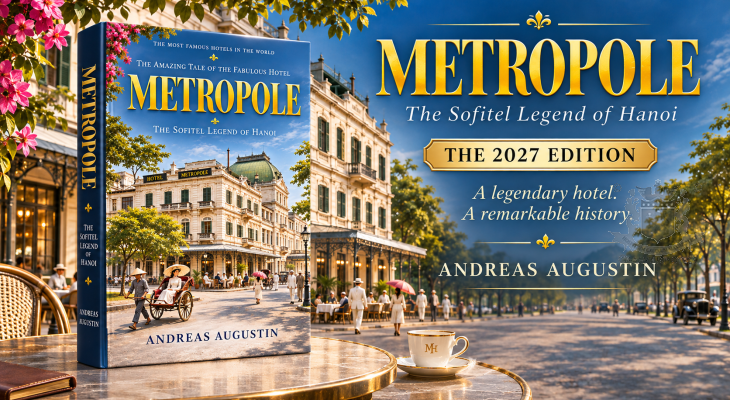
And among these remarkable survivors stands the Metropole in Hanoi. Born at the dawn of the twentieth century, it has witnessed the ambitions of colonial Indochina, the upheavals of war, the struggle for independence and the remarkable transformation of modern Vietnam. Its story is inseparable from the history of the country that surrounds it.
Perhaps that is the secret of these legendary establishments. They have grown old without becoming obsolete. Their beauty has matured, their stories have multiplied, and their place in history is assured.
The maidens have become grand dames.
But somewhere behind their venerable façades, the spirit of their youth lives on.
2027: New edition of Metropole Hanoi, Oriental Bangkok, Grand Hotel d'Angkor/Le Royal Phnom Penh
Reid’s Palace
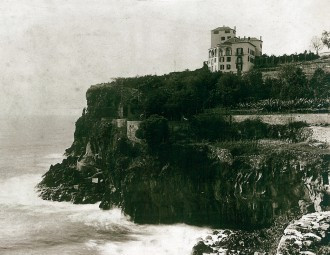
There are hotels that follow fashion. And there are hotels that outlive it. Reid’s Palace belongs to the latter. Opened in 1891,...Read More
Le Royal
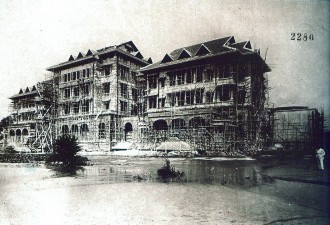
In 1923/24, the construction of a 55-room hotel in Phnom Penh was proposed. Architect Ernest Hébrard, who was largely responsible for...Read More
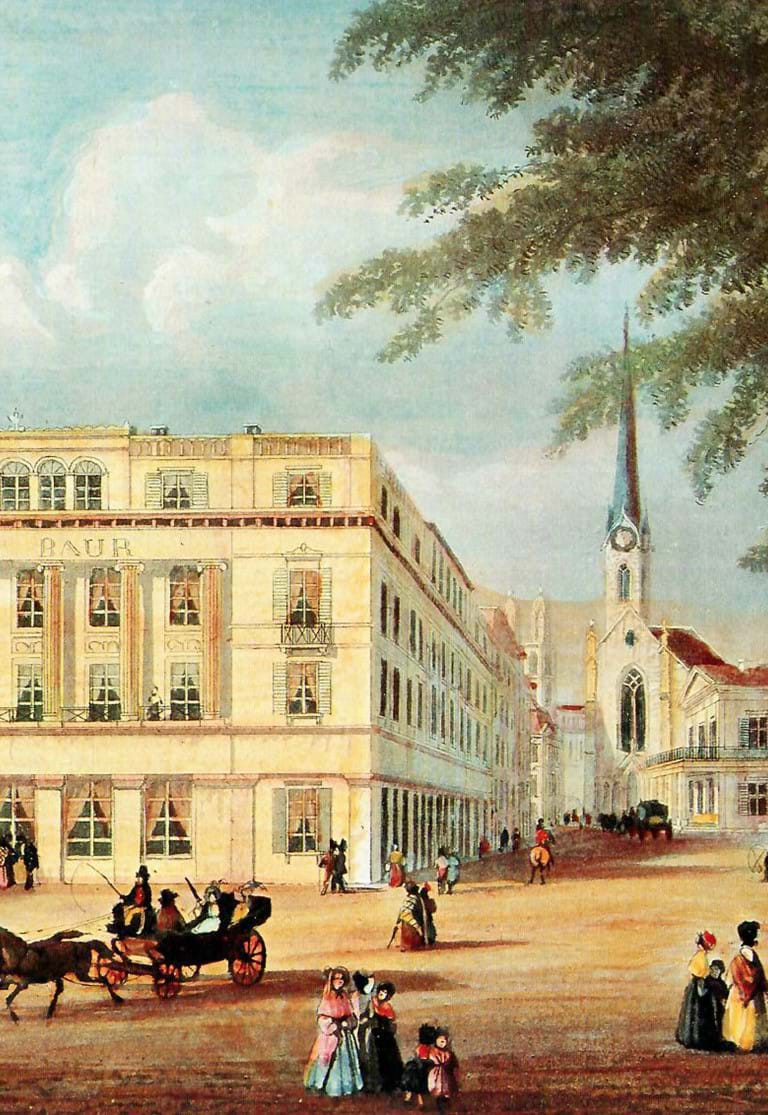
Baur, former Savoy Baur en Ville, today Mandarin Oriental Savoy Zurich
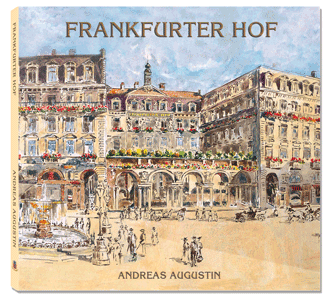
Johannes Baur, born in Austria in 1795, was a visionary entrepreneur who profoundly shaped Zurich’s hospitality industry. In 1837, at the age...Read More
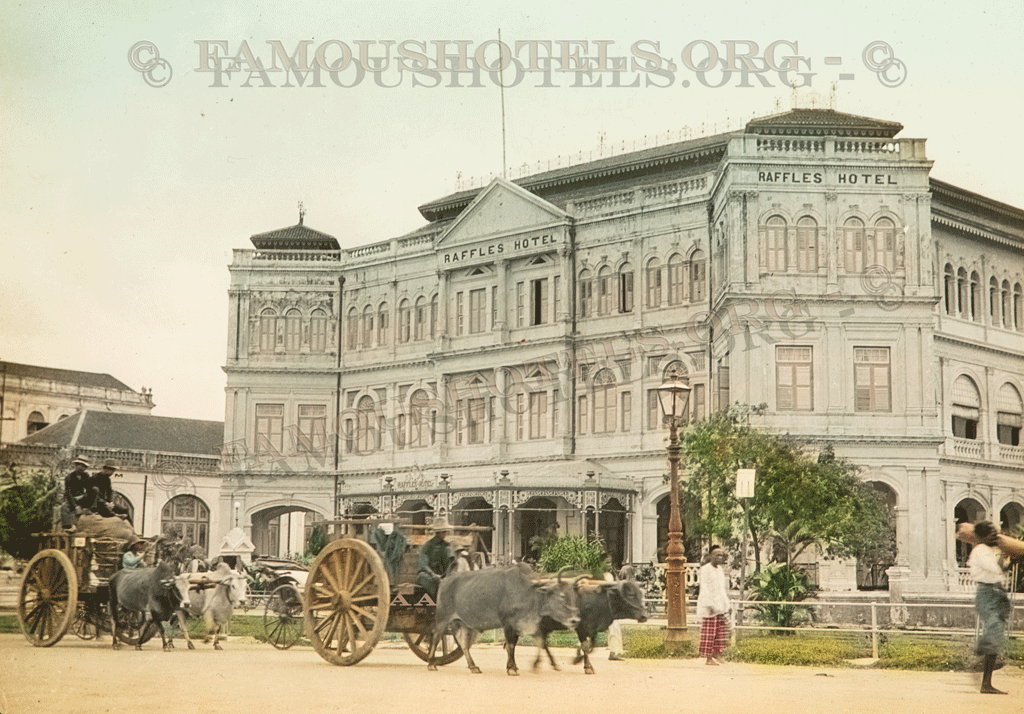
Raffles Hotel
The historic building (top, slide to the right): The "new" Raffles main building in 1899. It opened on 18 November 1899, featuring the all new...Read More