
Heritage Tourism Number 2 in Ranking
( words)
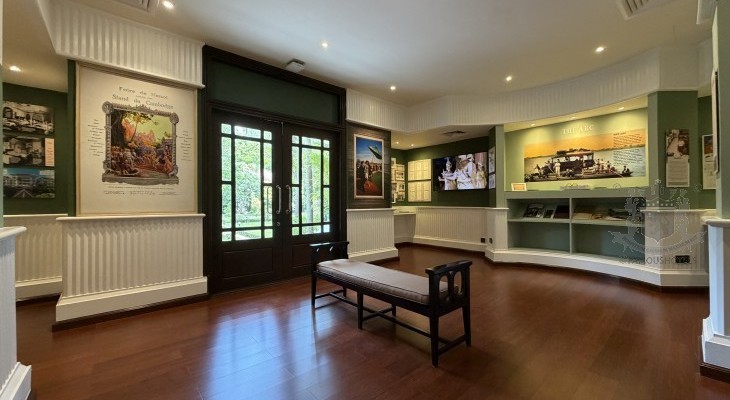
Top: Grand Path of History Museum at Grand Hotel d'Angkor in Siem Reap
Why we travel for history
More than one in four international travellers cited historic or cultural appeal when choosing their last destination. For a famous hotel, its own past can be part of the reason to go.
Ask travellers why they chose their last destination abroad and history comes close to the top. In the November 2026 WTM Global Travel Report, produced with Tourism Economics, 27% cited historic or cultural appeal. Only relaxation ranked higher, at 37%. Good weather came third, at 25%. [1]
There are signs of growth in the sort of accommodation travellers seek out. In its Unpack ’27 report, Expedia Group recorded a 20% rise in global Hotels.com searches for castle properties, comparing September 2025 to July 2026 with the same period a year earlier. The figure measures searches on one platform. How many became bookings remains unknown. [2]
The wider market is expected to grow as well. Grand View Research projects that worldwide heritage tourism revenue will rise from US$647.5 billion in 2026 to US$937 billion in 2033, an annual rate of 5.4%. Its definition includes cultural and natural heritage as well as living traditions. The projection gives an indication of scale. A current global ranking by growth or a measured gain in market share would require comparable figures for tourism as a whole. [3]
When the hotel is part of the destination
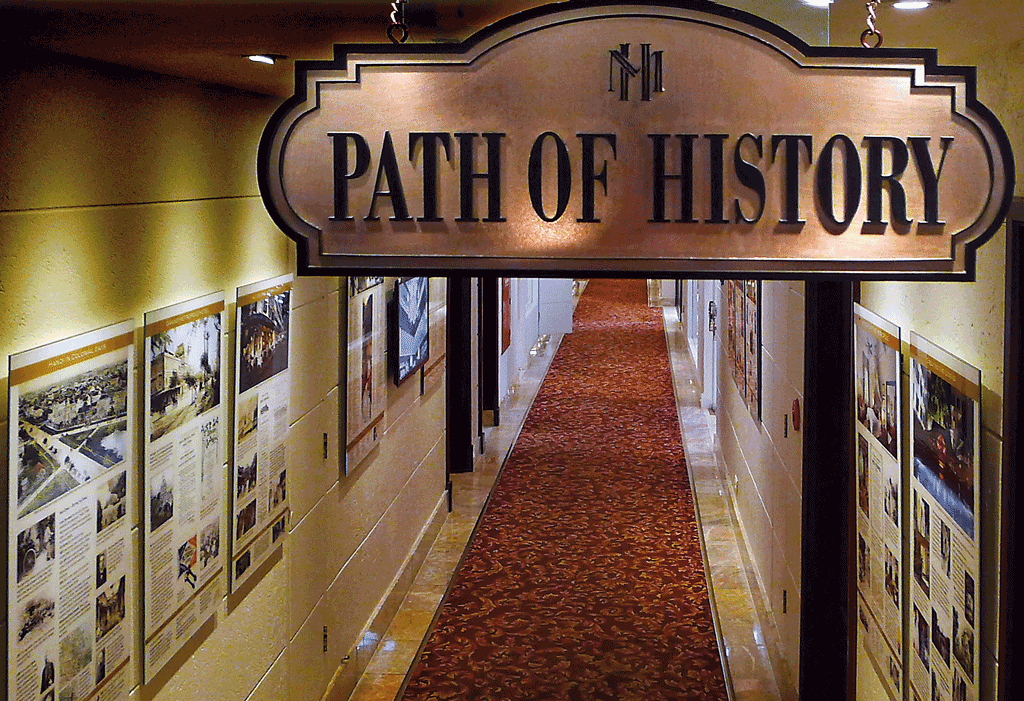 At the Sofitel Legend Metropole Hanoi, resident guests can visit the Path of History and go below the hotel grounds with a historian. The wartime shelter, rediscovered during renovations in 2011, once protected guests and staff during air raids. It reopened in 2012.
In Québec City, Fairmont Le Château Frontenac, which opened in 1893, offers a guided tour of its architecture, its guests and the events that took place there. At Raffles Singapore, the heritage tour takes guests through the story of the hotel itself. [4–7]
At Raffles Grand Hotel d’Angkor in Siem Reap, the hotel itself houses a museum. Its permanent Grand Path of History exhibition traces the early years of international travel in South-east Asia through photographs, film footage, architectural drawings and artefacts. The hotel opened in 1932 to accommodate visitors to Angkor. A Raffles historian guides guests through the exhibition, which is accompanied by A Tale of Two Hotels – Raffles in Cambodia, a book by Andreas and Carola Augustin. [8]
These hotels offer something specific to their address. A guest in Hanoi can stand in the shelter beneath the hotel. A visitor in Québec can explore the Château that overlooks Old Québec. That is the case for a famous hotel as a destination in its own right. You can stay where the story happened.
Sources
1. World Travel Market and Tourism Economics, WTM Global Travel Report 2026 Highlights, pp. 12–13.
2. Expedia Group, Unpack ’27: The Travel Trends Inspiring the World in 2027, “Gothic Getaways” and methodology note 4. Castle-property searches from 1 September 2025 to 27 July 2026 compared with 1 September 2024 to 27 July 2025.
3. Grand View Research, Heritage Tourism Market (2026–2033).
4. Sofitel Legend Metropole Hanoi, Path of History.
5. Famous Hotels, Chateau Frontenac.
6. Fairmont Le Château Frontenac, Activities in Québec City, guided tours section.
7. Raffles Singapore, Heritage Tour.
8. TTG Asia, Explore Cambodia’s travel past at Raffles Grand Hotel d’Angkor, 13 April 2026.
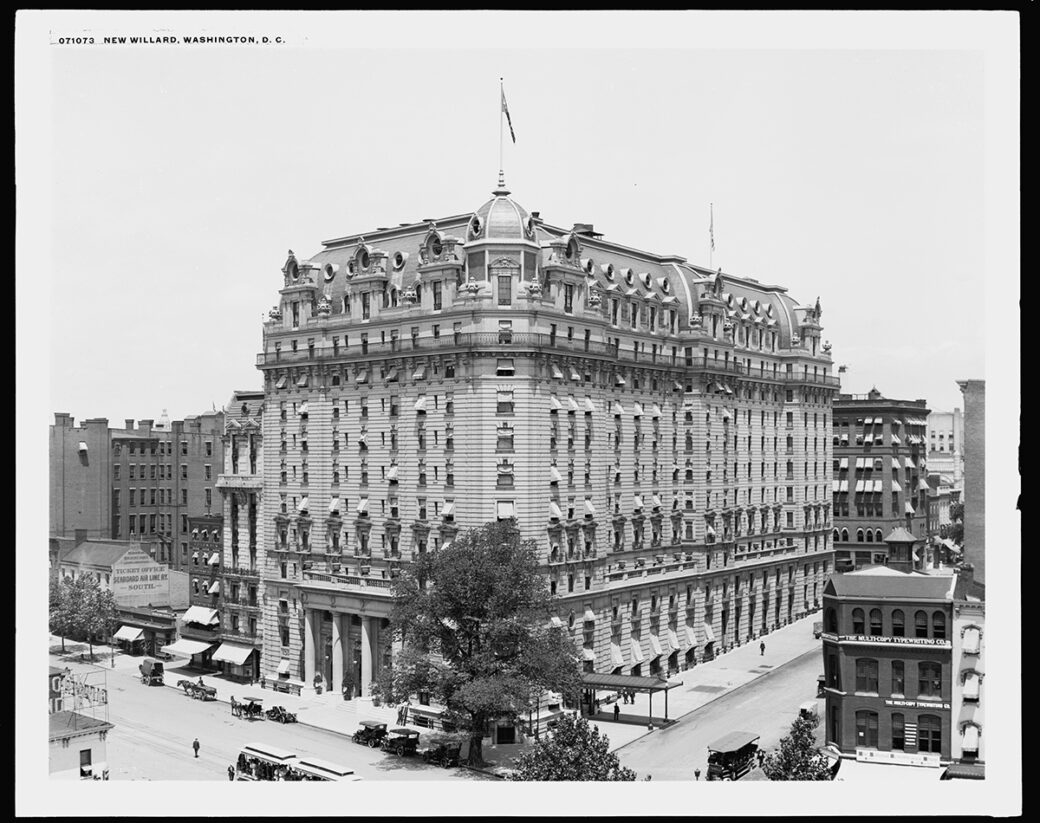
Willard
A view of the Willard at Fourteenth Street and Pennsylvania Avenue, c. 1900. Motorcars, horse-drawn carriages, and trolleys share the street. The...Read More
Reid’s Palace
There are hotels that follow fashion. And there are hotels that outlive it. Reid’s Palace belongs to the latter. Opened in 1891,...Read More
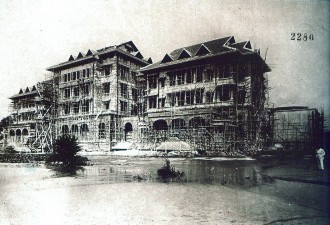
Le Royal
In 1923/24, the construction of a 55-room hotel in Phnom Penh was proposed. Architect Ernest Hébrard, who was largely responsible for...Read More
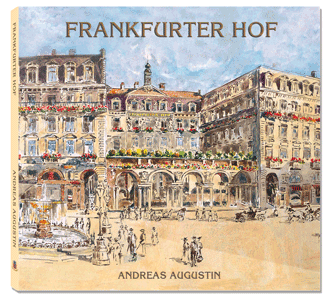
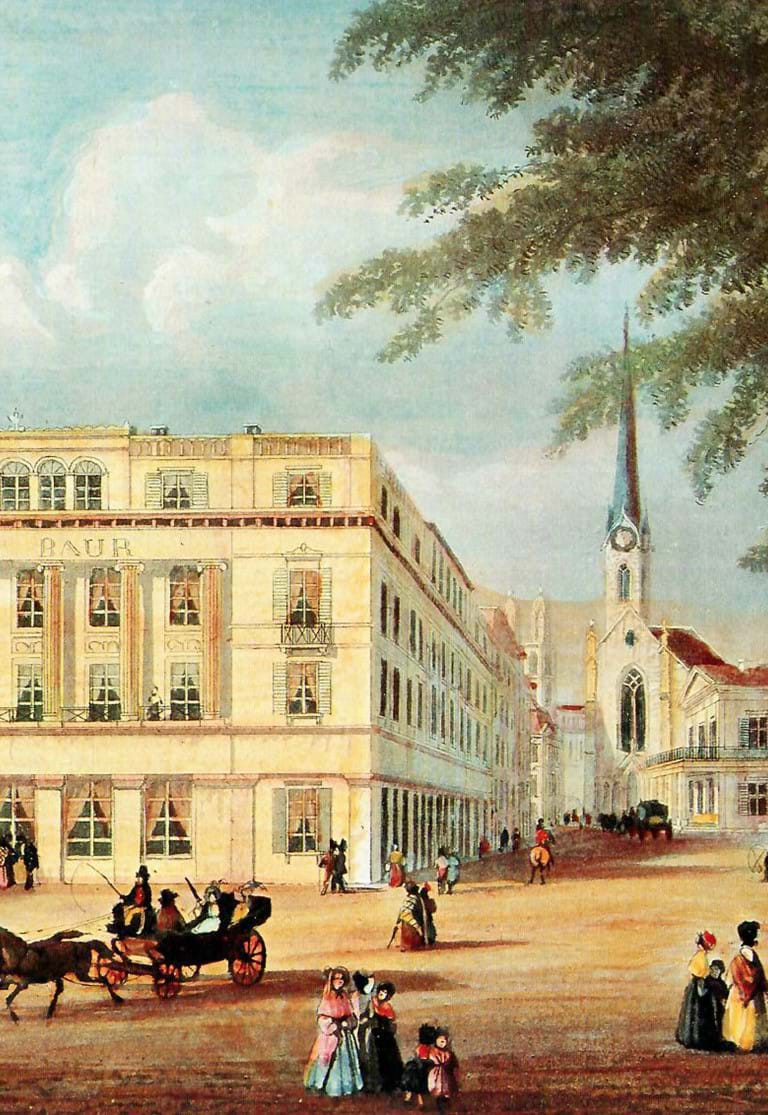
Baur, former Savoy Baur en Ville, today Mandarin Oriental Savoy Zurich
Johannes Baur, born in Austria in 1795, was a visionary entrepreneur who profoundly shaped Zurich’s hospitality industry. In 1837, at the age...Read More